
The Alchemical Imagination
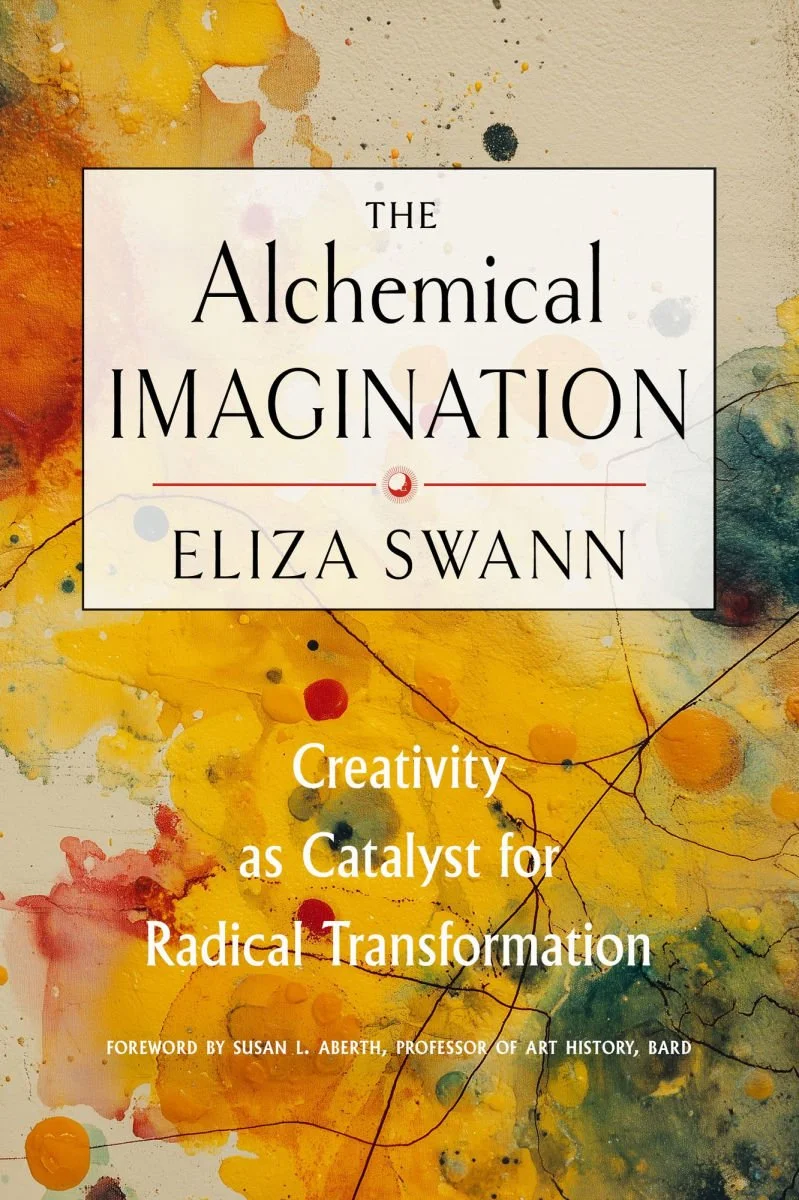
The Alchemical Imagination by modern alchemist and artist Eliza Swann reclaims alchemy as a living creative practice, offering readers a transformative blend of history, philosophy, and hands-on exercises to renew both their art and themselves.
In medieval Europe, alchemists referred to their combined scientific, mystical, and creative vocation as “The Great Art”—and for good reason. In alchemy, spiritual and material realities are inseparable, which freed alchemists to be interdisciplinary thinkers, leading to some of the most important technological advancements and creative breakthroughs of their era. The Alchemical Imagination traces the principles of alchemy through its applications in proto-chemistry, healing arts, psychology, visual art, and literature to help readers develop the tools to arrive at their own Great Art.
Eliza Swann distills this arcane science into an accessible series of philosophies and techniques to help readers find a deeper connection to their own creativity. Part workbook and part historical journey through the lives and practices of the great alchemists, The Alchemical Imagination highlights often-overlooked female alchemists and queer alchemical imagery and traces their many contributions to contemporary art, handing this ancient craft to a new generation.
"The very word 'alchemy' can inspire trepidation for even the most ardent of esoteric seekers, calling to mind arcane chemistry and hauntingly beautiful illustrations that are frustrating to decipher.
Dear reader, fear not. Eliza Swann's The Alchemical Imagination is going to be your golden key not only to unlocking a fundamental knowledge of alchemy's history and processes but also to harnessing its spiritual lessons."
from the foreword by Susan L. Aberth, Professor of Art History, Bard
Book Tour
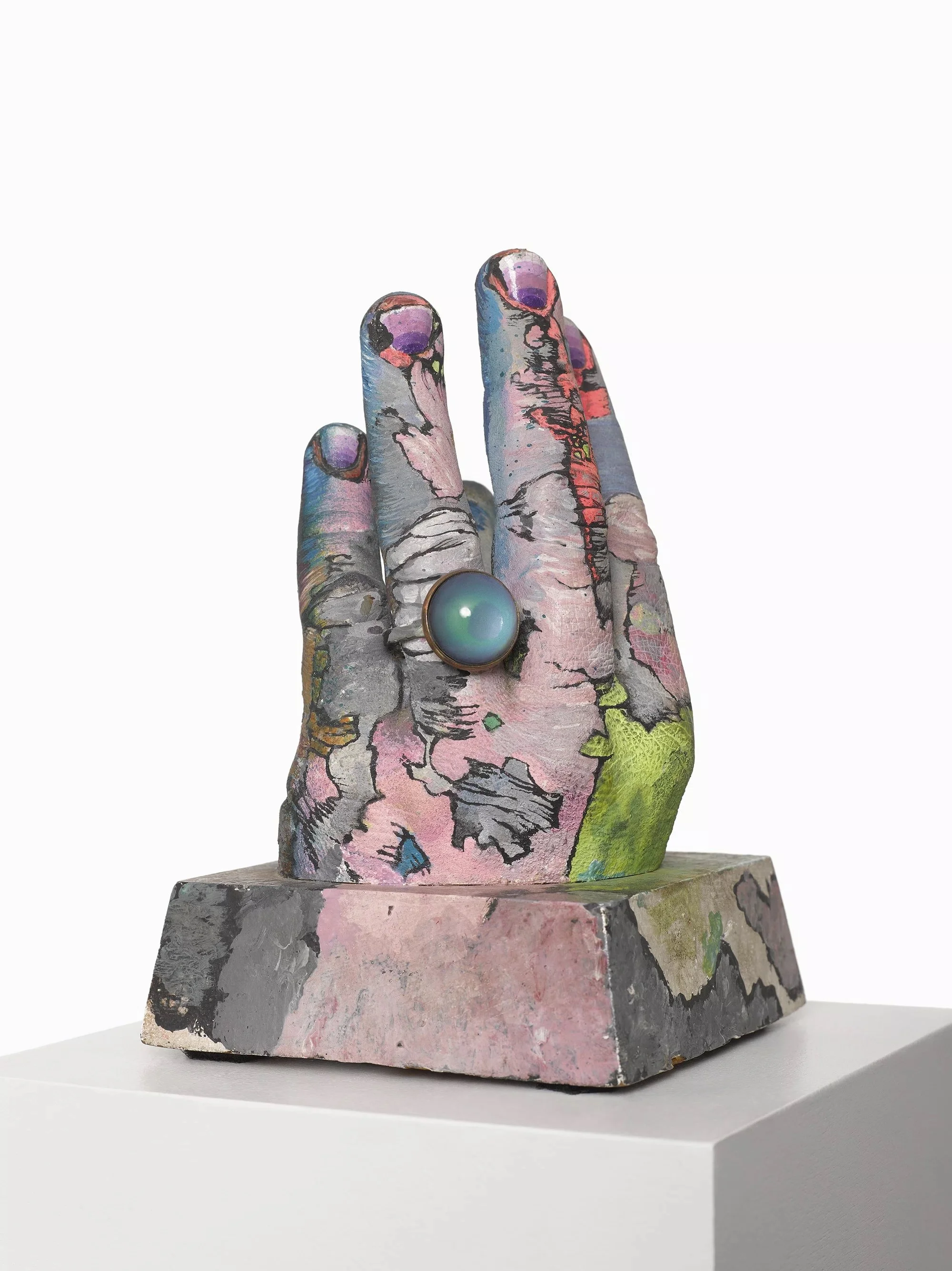
Paul Thek, Technological Reliquaries, 1967, image courtesy PACE Gallery
May 9th, HausWitch, Salem, MA
May 17th, Jefferson Market Library, New York, NY
May 21st, Oblong Books, Rhinebeck, NY
June 4th, Sir Arthur Conan Doyle Centre, Edinburgh, UK
June 11th, Treadwell’s, London, UK
June 21st, PRS, Los Angeles, CA
June 27th, DESERTRADE, 29 Palms, CA
July 8th, 418 Projects, Santa Cruz, CA
July 9th, Et al. Gallery, San Francisco, CA
July 10th, The Henry Miller Library, Big Sur, CA
July 18th, Laetitia Cartomancy, ONLINE
September 17th, Kristine Mann Library, New York, NY
October 1st, London College of Psychic Studies, ONLINE
October 18th, Omega Institute, Rhinebeck, NY
October 24th, Splendor Solis, Northampton, MA
"In the face of escalating violence, ecological collapse, and toxic systems of power, we need to return to sciences that embrace the impossible, reject greed as a driving force, and view the world as emanating from the sacred, worthy of care, attention, and devotion."
— from the introduction by Eliza Swann